
The matters presented below are selected examples of significant engagements undertaken from 2000 to date. They are provided to illustrate the scope, complexity, and technical range of our work across fatal collisions, multi-vehicle pile-ups, heavy commercial vehicle incidents, post-collision fires, and rail-related events. This section is not intended as commentary on outcomes or merits, but as a structured overview of the types of instructions we receive and the forensic processes we apply.
Each category contains a limited number of anonymised case summaries arranged chronologically. Every case entry includes:
A location map and contextual scene image for geographic and situational reference;
The recorded date, time, and location;
A concise synopsis of the collision dynamics and key features;
Core factual parameters (vehicles involved, classifications, casualty figures, and relevant physical elements); and
A summary of the services rendered, including scene examination, vehicle inspections, data acquisition, reconstruction methodology, reporting, and testimony where applicable.
The objective is to provide prospective clients, legal teams, insurers, and industry stakeholders with a clear, visual understanding of the environments in which we operate and the forensic, technical, and analytical disciplines routinely applied in our engagements.
We have been doing Pedestrian-, Animal-, Cyclist-, Motorcycle-, and Suicide Crashes since 2000, but their very nature is such that we cannot display them due to the graphic content that invariably feature.
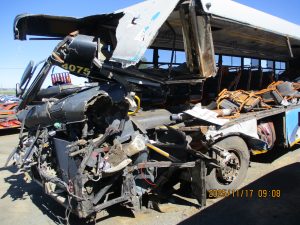
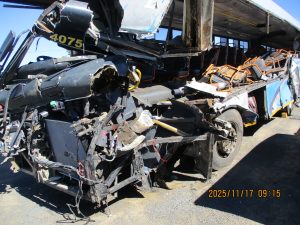
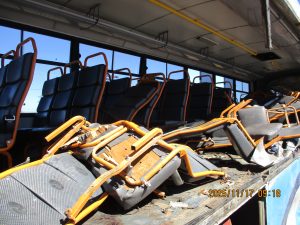
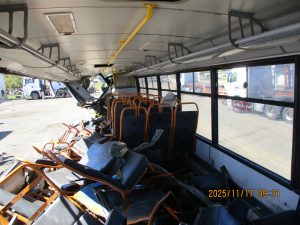
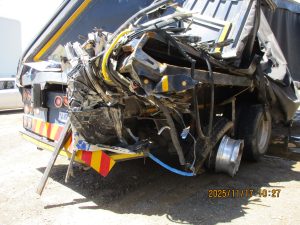
November 2025, Freestate, South Africa, 11 Fatalities.
Case Details: A passenger bus travelling in reduced visibility collided with the rear of a heavy vehicle combination that was stationary in the travelled lane of a national road.
Work Performed: Independent forensic investigation, including scene inspection, vehicle examinations, photographic documentation, video telemetry analysis, human-factor evaluation, and crash dynamics calculations to determine detection distance and driver response capability.
Key Lessons: Fatigue significantly degrades situational awareness and reaction time. Stopping a heavy vehicle in a high-speed lane without hazard warning devices or emergency triangles creates a foreseeable and avoidable collision hazard.
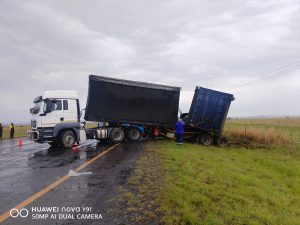
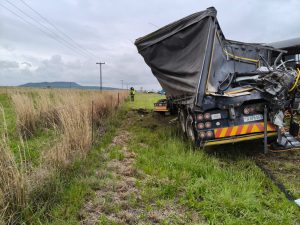
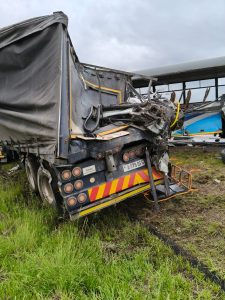
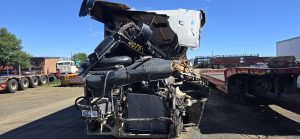

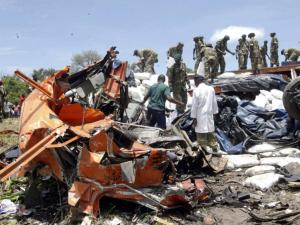
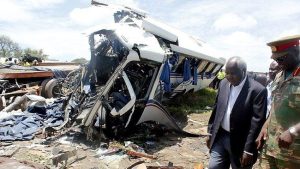
February 2013, Kabwe, Zambia, 51 Fatalities.
Case Details: A semi-truck crossed over the median, collided with a pickup, lost control, went over into the lane of approaching traffic and collided with a passenger bus.
Work Performed: We received evidence, photographs, and police reports, visited the scene of the collision, conducted surveys and visibility analysis, and aerial photography. We also examined available vehicles, analyzed and reconstructed the collision, and testified in court.
Key Lessons: Semi Trucks and Commercial Passenger Vehicles moving at highway speeds carry great amounts of energy and can result in tens of fatalities when involved in collisions. Driving culture featured in this matter.
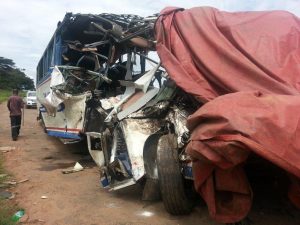
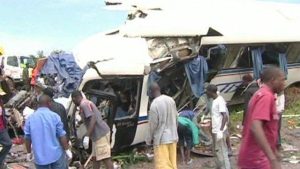
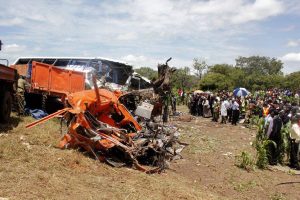
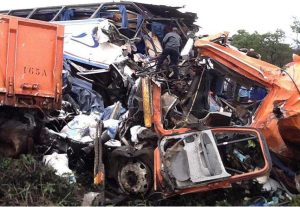
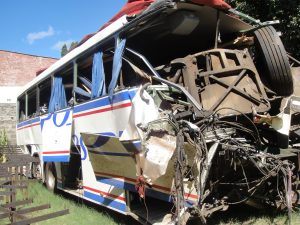
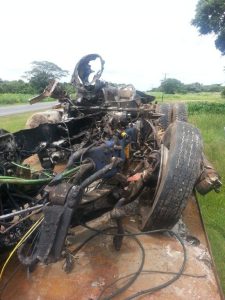
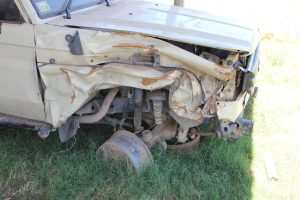
April 2008, Western Cape, South Africa, 10 Fatalities.
Case Details: An approaching sedan veered into the opposing lane. The oncoming minibus swerved into the opposing lane to evade it. The sedan corrected back, causing an angular head-on collision.
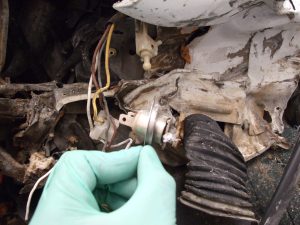
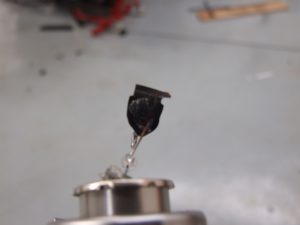
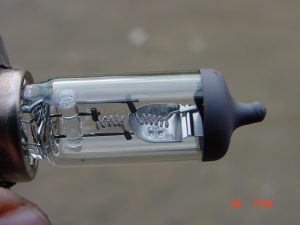
Work Conducted: We conducted at-scene and post-event investigation, analyzing physical evidence, final resting positions, structural crush damage, seatbelt usage, and headlight filaments to reconstruct the collision dynamics and driver actions.
Key Lessons: Gross vehicle overloading compromises stability and safety. Inexperienced drivers lack emergency reaction skills. Poor scene management by responders risks losing evidence and leaving dangerous medical waste.
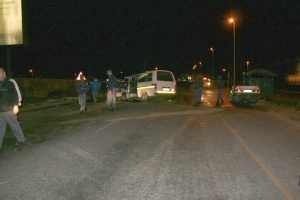
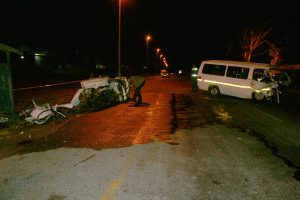
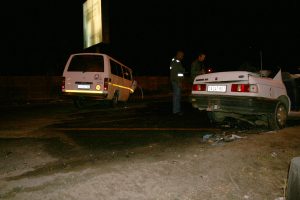
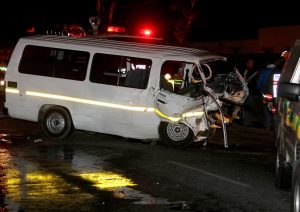
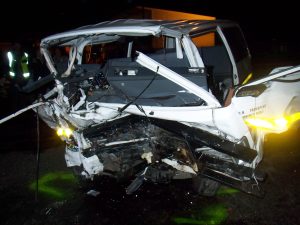
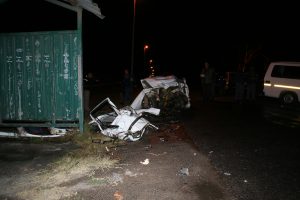
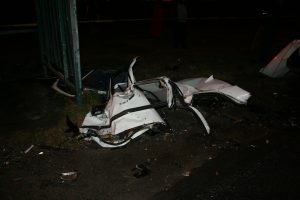
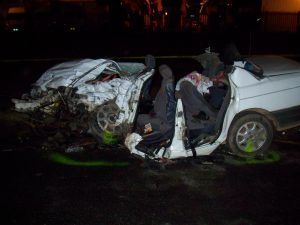
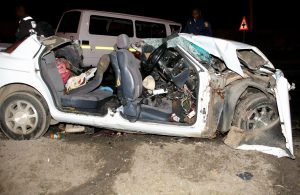
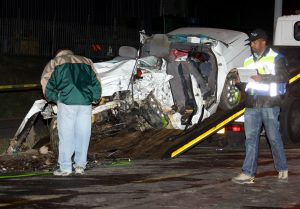
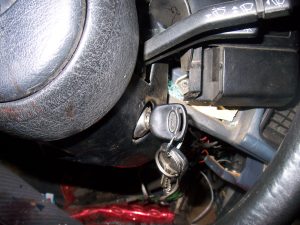
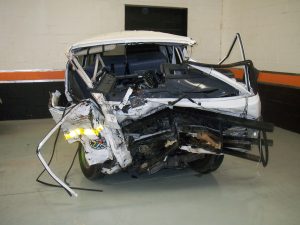
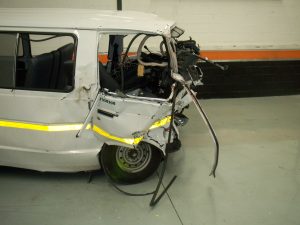
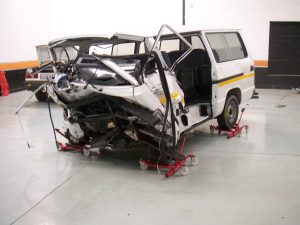
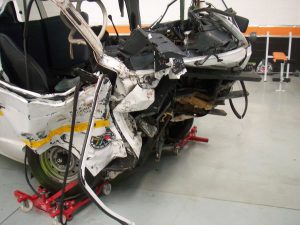
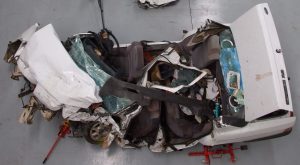
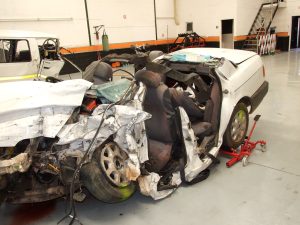
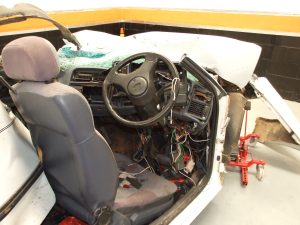
November 2006, Gauteng, South Africa, 14 Fatalities.
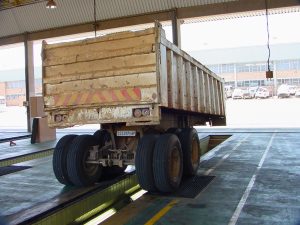
Case Details: A heavy vehicle combination attempted to overtake slower traffic, crossed a no-overtaking barrier line, entered the opposing lane, and collided head-on with an oncoming passenger transport vehicle travelling lawfully in its lane.
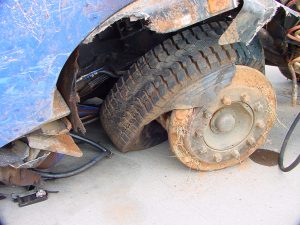
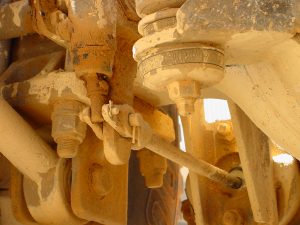
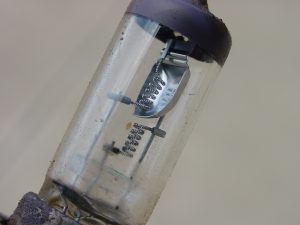
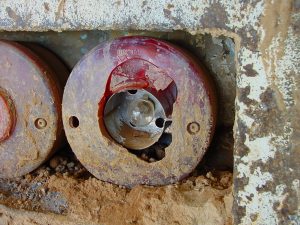
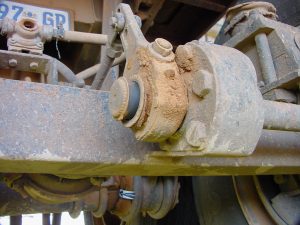
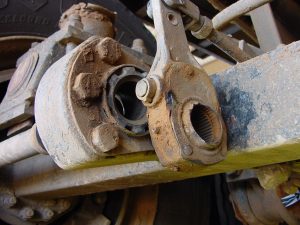
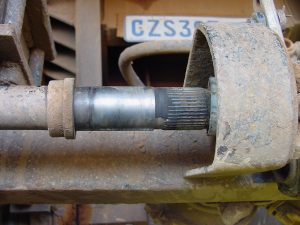
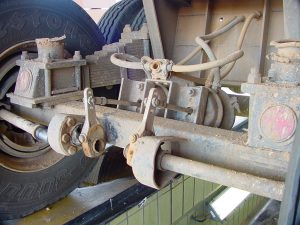
Work Conducted: We conducted a Forensic collision investigation, including scene reconstruction, vehicle examinations, mechanical condition assessment, braking system inspection, lamp analysis, speed and reaction-time modelling, and contributory factor evaluation.
Key Lessons: Unsafe overtaking across a barrier line combined with poor heavy-vehicle maintenance created a fatal head-on collision. Mechanical defects, weak fleet management practices, and inadequate regulatory oversight amplified crash risk and severity.
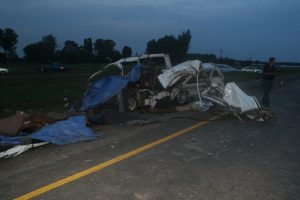
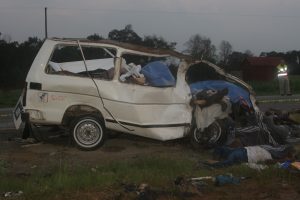
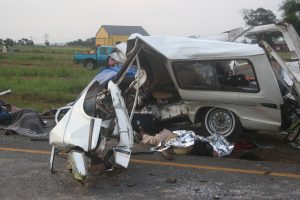
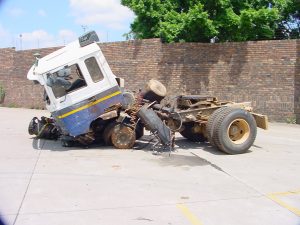
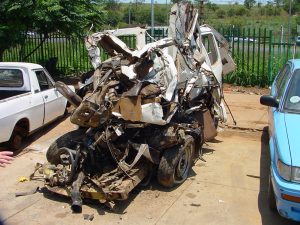
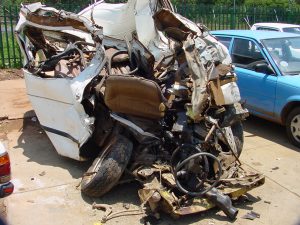
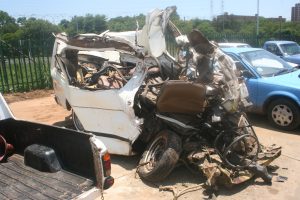
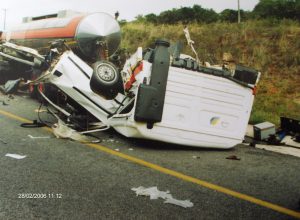
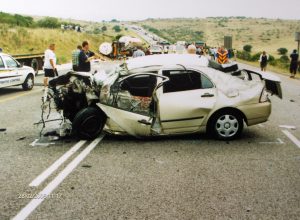
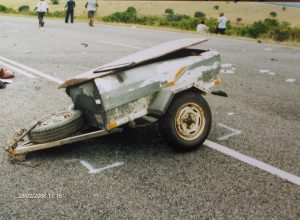
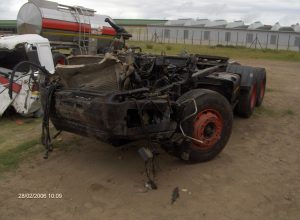
February 2006, Eastern Cape, South Africa, 20 Fatalities.
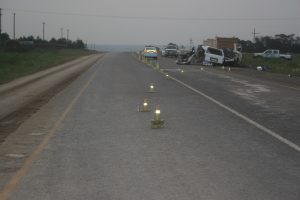
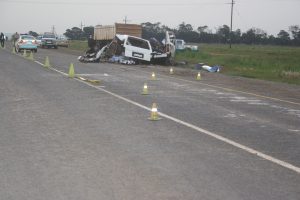
Case Details: A light vehicle attempted to overtake a minibus taxi towing a trailer, collided with the trailer, and caused the minibus to collide head-on with an oncoming truck tractor towing trailers.
Work Conducted: We conducted a Forensic Investigation and reconstruction, including scene analysis, evaluation of vehicle damage patterns, assessment of roadway geometry, and analysis of driver behaviour leading to the overtaking manoeuvre.
Key Lessons: Unsafe overtaking into opposing traffic lanes remains a primary cause of severe head-on collisions. Limited sight distance and poor judgment during overtaking manoeuvres significantly increase fatal crash risk.
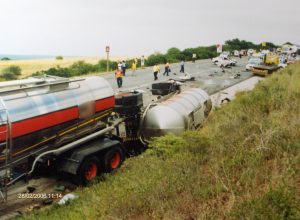
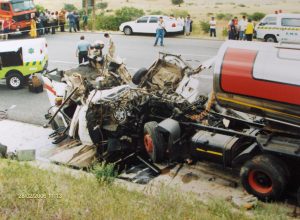
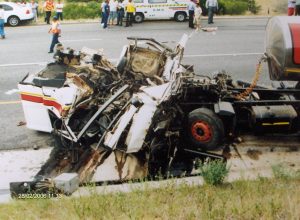
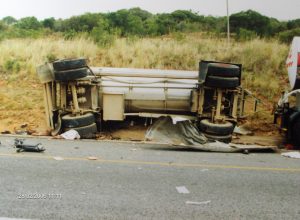
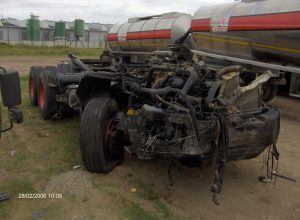
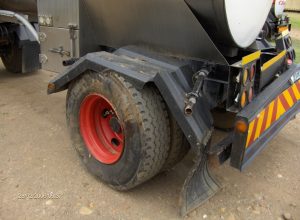
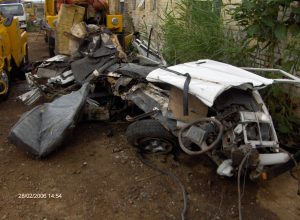
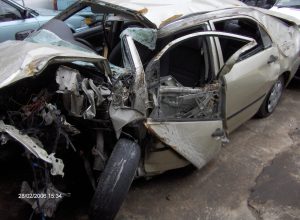
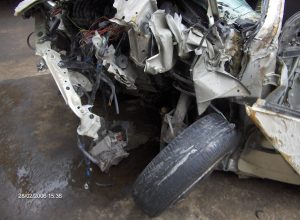
February 2006, Eastern Cape, South Africa, 11 Fatalities.
Case Details: A long-distance passenger bus traveling at excessive speed left the roadway after the driver allowed the vehicle to drift off the road edge. An over-correction caused loss of control, and the bus overturned before coming to rest.
Work Conducted: We conducted a forensic investigation and reconstruction, including scene assessment, vehicle damage examination, analysis of roadway conditions, and evaluation of driver actions leading to the loss of control.
Key Lessons: Excessive speed combined with edge-drop departure can trigger loss of control in heavy passenger vehicles. Over-correction after road-edge encroachment is a common precursor to rollover events with high passenger fatalities.
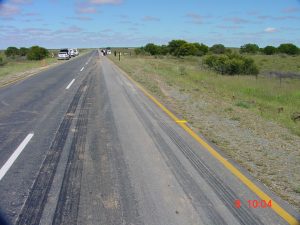
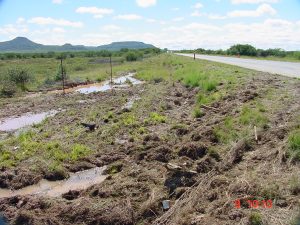
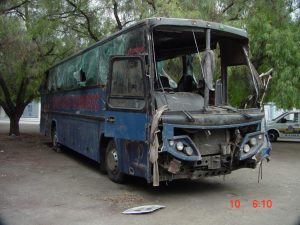
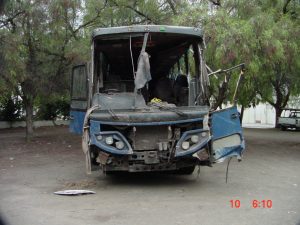
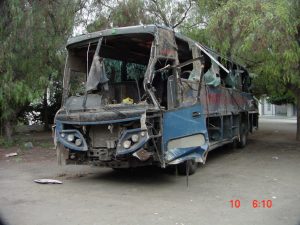
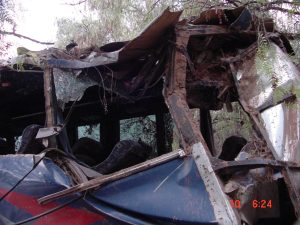
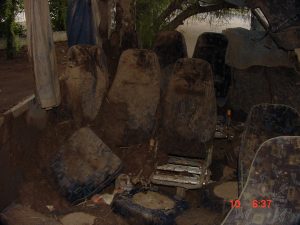
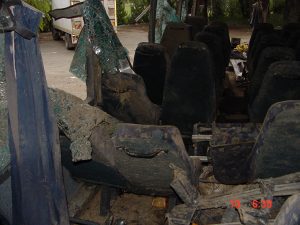
December 2005, Free State, South Africa, 20 Fatalities.
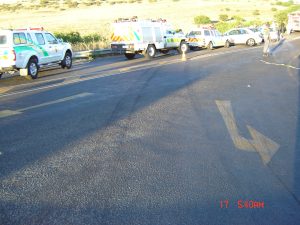
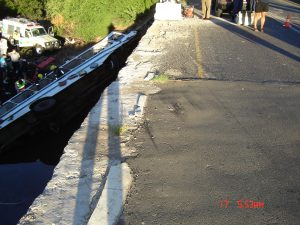
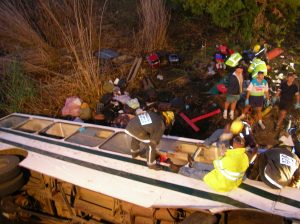
Case Details: An overloaded passenger bus travelling overnight executed an emergency right turn at an intersection, broke through concrete barriers, and plunged about 5 metres into a river below after approaching the junction at speed.
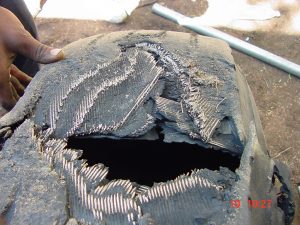
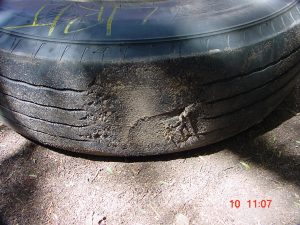
Investigation Work: We conducted a formal accident investigation examining driver factors, vehicle mechanical condition, tyres and braking system, passenger loading, operator management practices, road environment, and intersection safety conditions.
Key Lessons: Overloading, excessive speed at a rural intersection, and inadequate road signage increased risk. The case highlights the combined influence of operational practices, driver behaviour, and roadway warning standards on catastrophic bus crashes.
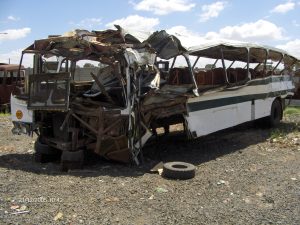
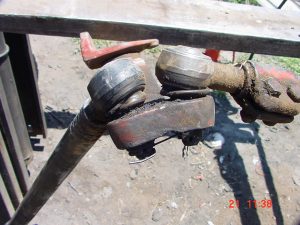
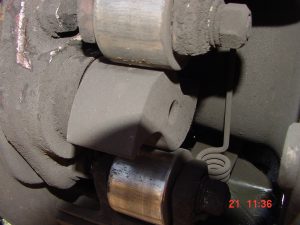
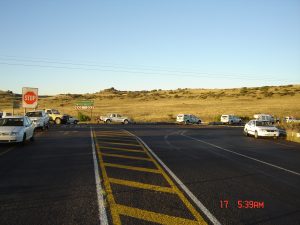
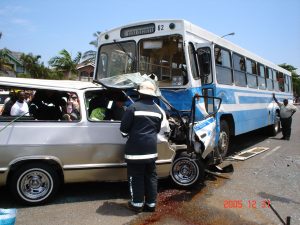
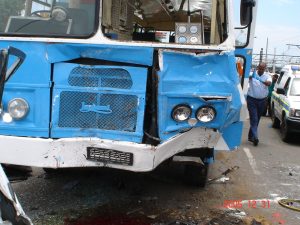
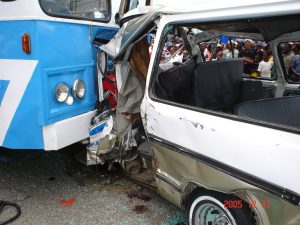
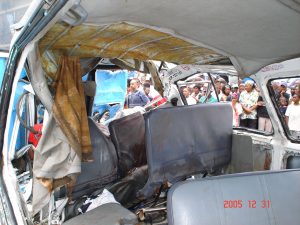
December 2005, KwaZulu-Natal, South Africa, 8 Fatalities.
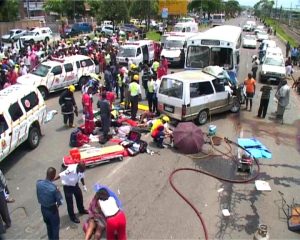
Case Details: A sedan entered a major road from a stop-controlled intersection and collided with a minibus taxi. The taxi was deflected into the opposing lane and collided head-on with a bus traveling in the opposite direction.
Work Conducted: We conducted a post-event forensic investigation and reconstruction of a multi-vehicle collision, including scene inspection, evidence analysis, witness statement review, vehicle damage interpretation, and evaluation of environmental and investigative factors.
Key Lessons: Failure to obey a stop control can trigger catastrophic secondary collisions in high-occupancy transport. Poor scene management, loss of vehicle evidence, and inadequate documentation significantly limited the reliability of post-collision reconstruction.
Note: Major engineering rework was done on the road in response to our report and recommendations.
Coming soon...
Coming soon...
